
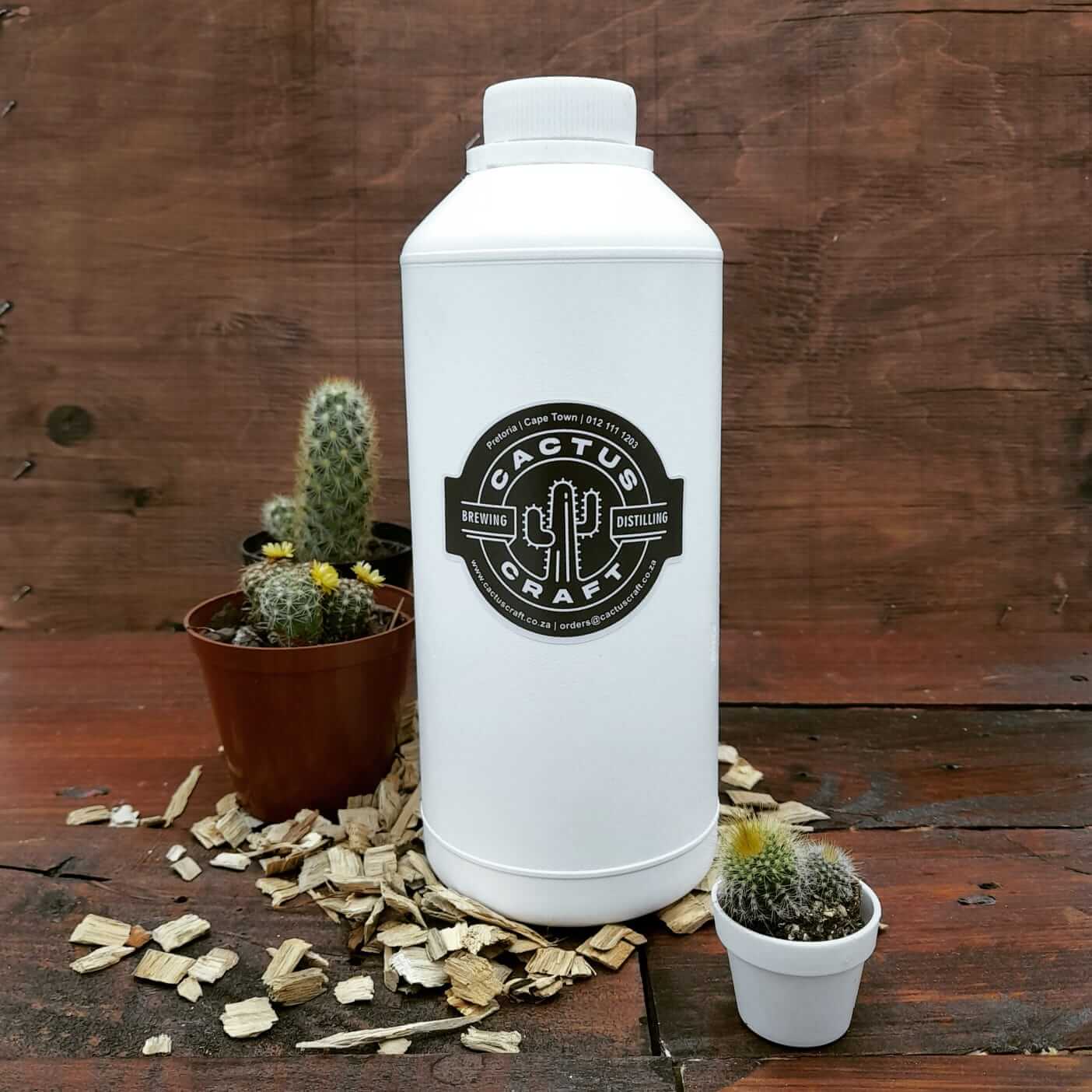
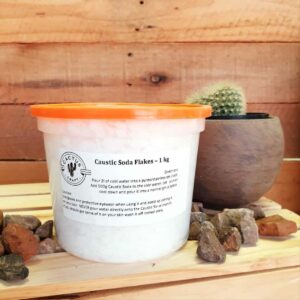
Liquid Caustic Soda (sodium hydroxide)
Commercial brewers use Liquid Caustic Soda (Sodium Hydroxide) and it is very effective at cleaning brewery equipment. Unfortunately, in hard water, it can form solid precipitates that reduce its effectiveness. This can be overcome by using softened water or by the careful addition of sequestrants, such as EDTA. These chemicals bind the calcium, which causes water hardness, and prevents it from reacting with the caustic.
IMPORTANT: Liquid Caustic Soda (Sodium hydroxide) does not produce systemic toxicity, but is very CORROSIVE and can cause severe burns in all tissues that it comes in contact with. Sodium hydroxide poses a particular threat to the eyes since it can hydrolyse protein (hydrolyse means to break down a compound by chemical reaction with water), leading to severe eye damage.
Handle Liquid Caustic Soda (sodium hydroxide) with care
Sodium hydroxide is an alkaline acid, which needs to be handled with care. It reacts with moisture from the air and may generate heat as it dissolves. This heat can cause a fire if it is near flammable materials.
Sodium hydroxide is harmful, but the seriousness of the situation depends on several factors including the concentration of sodium hydroxide, length of time exposed, and whether you touched it, drank it or inhaled it.
Contact with very high concentrations of sodium hydroxide can cause severe burns to the eyes, skin, digestive system or lungs, resulting in permanent damage or death. Prolonged or repeated skin contact may cause dermatitis. Repeated inhalation of sodium hydroxide vapour can lead to permanent lung damage, immediate vomiting, nausea, diarrhoea or chest and stomach pain, as well as swallowing difficulties.
Despite all the health and safety cautions associated with the use of NaOH, it is relatively safe to use, if the necessary safety measures for the transport, packaging, storage, spillage, disposal and labelling for workers, are followed. It is also advised to keep cleaning products out of the reach of children and to keep cleaning products in their original packaging.
If, however, you are accidentally exposed to NaOH, here’s what to do:
- Eye contact – Flush the eyes with water for 30 minutes, lift upper and lower lids and remove contact lenses.
- Skin Contact – Remove contaminated clothing and flush the area with water for 15 minutes.
- Inhalation – Remove the person from exposure, if it is safe for you to do so. If the person is unresponsive and not breathing normally, then begin CPR.
- Ingestion – DO NOT MAKE THE PERSON VOMIT. If the person is fully conscious and is not in respiratory distress, give them a cup of water to drink to dilute the sodium hydroxide. Never attempt CPR on a conscious person.
Dilution Ratios (General Guidelines)
Standard Cleaning (1%): Mix 1 part of 30% caustic solution with 30 parts of water (e.g., ~33ml per liter).
Heavy Duty/Deep Cleaning (2%–3%): Mix ~66ml–100ml of 30% caustic solution per liter of water.
Keg Cleaning: Mix 100ml of 30% solution into a 50L (or ~15 gallon) keg, then fill with water.
Safety Precautions (Mandatory)
PPE: Wear chemical-resistant gloves (nitrile/neoprene), goggles, a face shield, and an apron.
Water First: Always add the caustic concentrate to cold water. Never add water to concentrated caustic.
Ventilation: Use in a well-ventilated area to avoid inhaling fumes.
Neutralization: In case of skin contact, rinse with water. Do not use acid (like vinegar) to neutralize, as this can cause a dangerous thermal burn.

Reviews
There are no reviews yet